April 7, 2021 Company Updates

ZIEGLER delivers 7 FLF to Greece

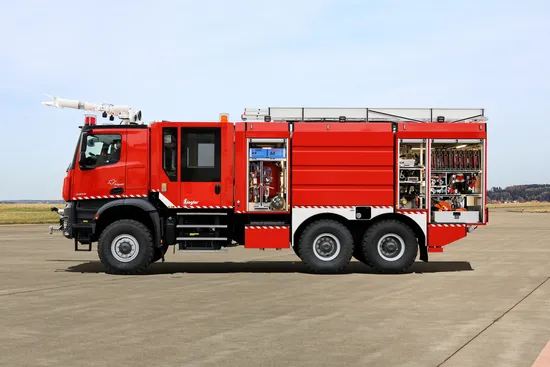
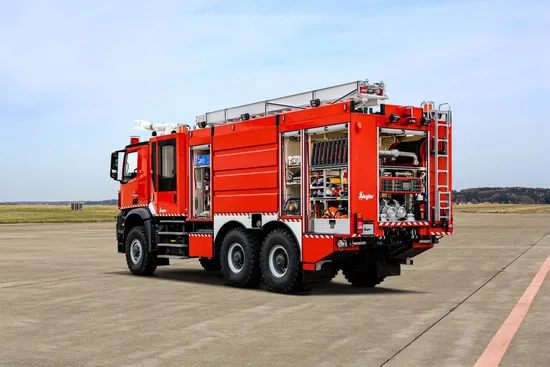
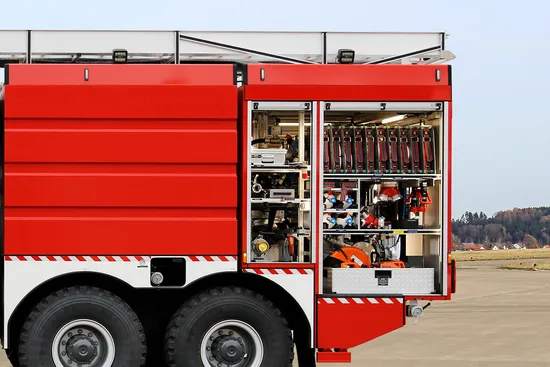
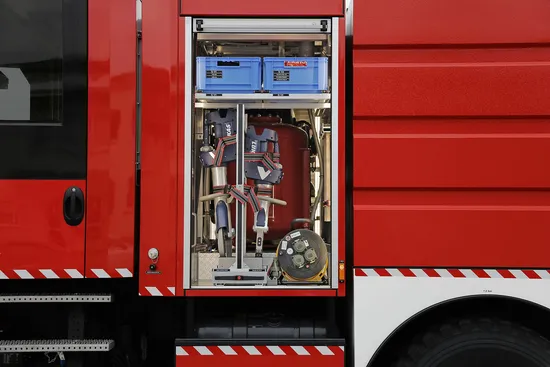
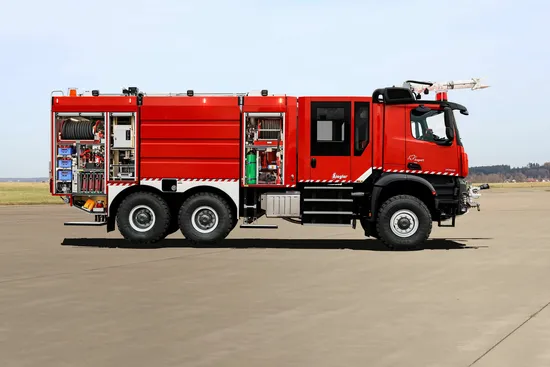
In total seven FLF 60/70-9+250 P “Advancer” were delivered by ZIEGLER Group until April 2021 to seven different FRAPORT Regional Airports of Greece.
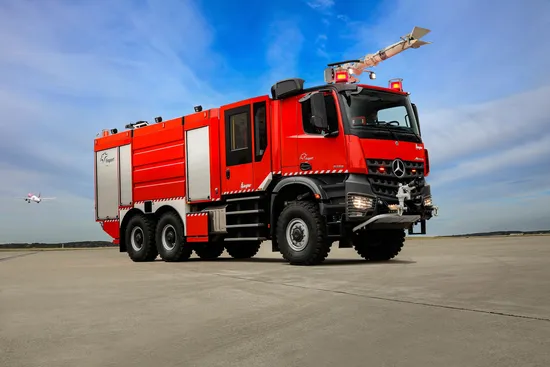
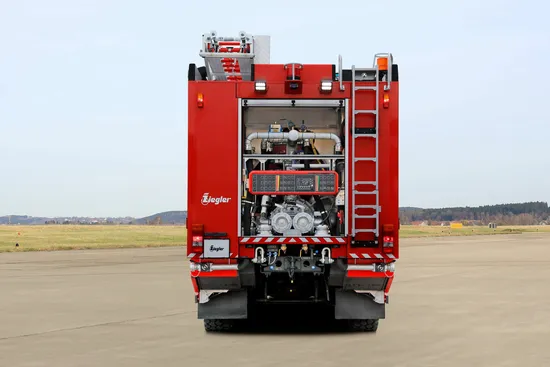
These ZIEGLER FLF will be used for firefighting and rescue at the Airports of the famous Greek islands of Mykonos, Santorini, Skiathos, Samos, Lesvos, Kefalonia and Kavala (mainland).

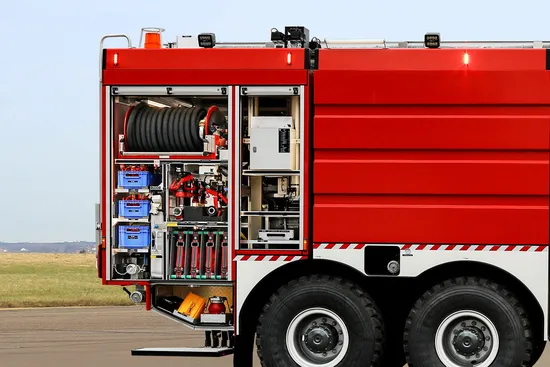
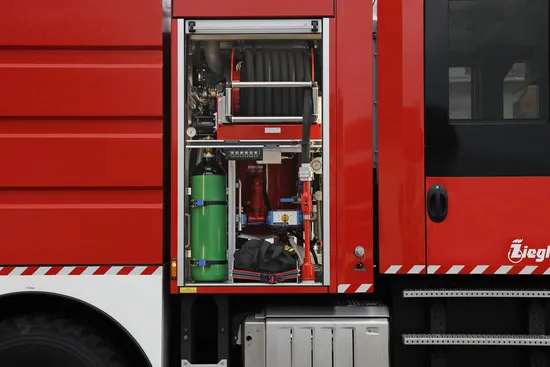
The vehicles are built on a Mercedes-Benz 6x6 chassis and combine all ZIEGLER specific advantages of the ALPAS superstructure, the crew air conditioned ZIEGLER cabin Z-Cab and the own manufactured ZIEGLER pump FPN 10-6000-2H. Equipped with a water tank of 7,000 l capacity, a foam tank with 900 l capacity and an additional 250 kg powder extinguishing system.

A technical description of the vehicle can be found in the official press release. 

More posts

October 26, 2026

ZIEGLER Calendars 2027

We will once again start 2027 together with our new ZIEGLER calendar. You can look forward to twelve months of stunning images of our ZIEGLER firefighting vehicles, which combine technology, design, and operational readiness.
Show post
October 23, 2026

Dräger Compressed Air Cylinders: Less weight, more mobility

Modern compressed air cylinders for firefighters – featuring innovative materials, well-designed safety features and solutions for a variety of operational requirements.
Show post
September 28, 2026

75 years of firefighting technology from Winschoten

Ziegler Brandweertechniek B.V. in Winschoten is celebrating its 75th anniversary.
Show post
June 9, 2026

HLF 20 XL: More than just a vehicle

Well-designed spatial and technical concept: The HLF 20 XL features a Z-Cab XL crew cabin that is rigidly connected to the driver’s cab and offers a particularly large communication opening. In combination with the ZIEGLER standard seats, up to seven breathing apparatus stations can be accommodated – while still providing ample legroom.
Show post
June 1, 2026

Protection for Firefighter ZIEGLER presents comprehensive hygiene solutions

Greater emphasis on operational hygiene: Studies show that firefighters can frequently come into contact with harmful substances such as soot particles or carcinogenic combustion residues during operations. These can be absorbed through the skin, respiratory tract or contaminated equipment.
Show post